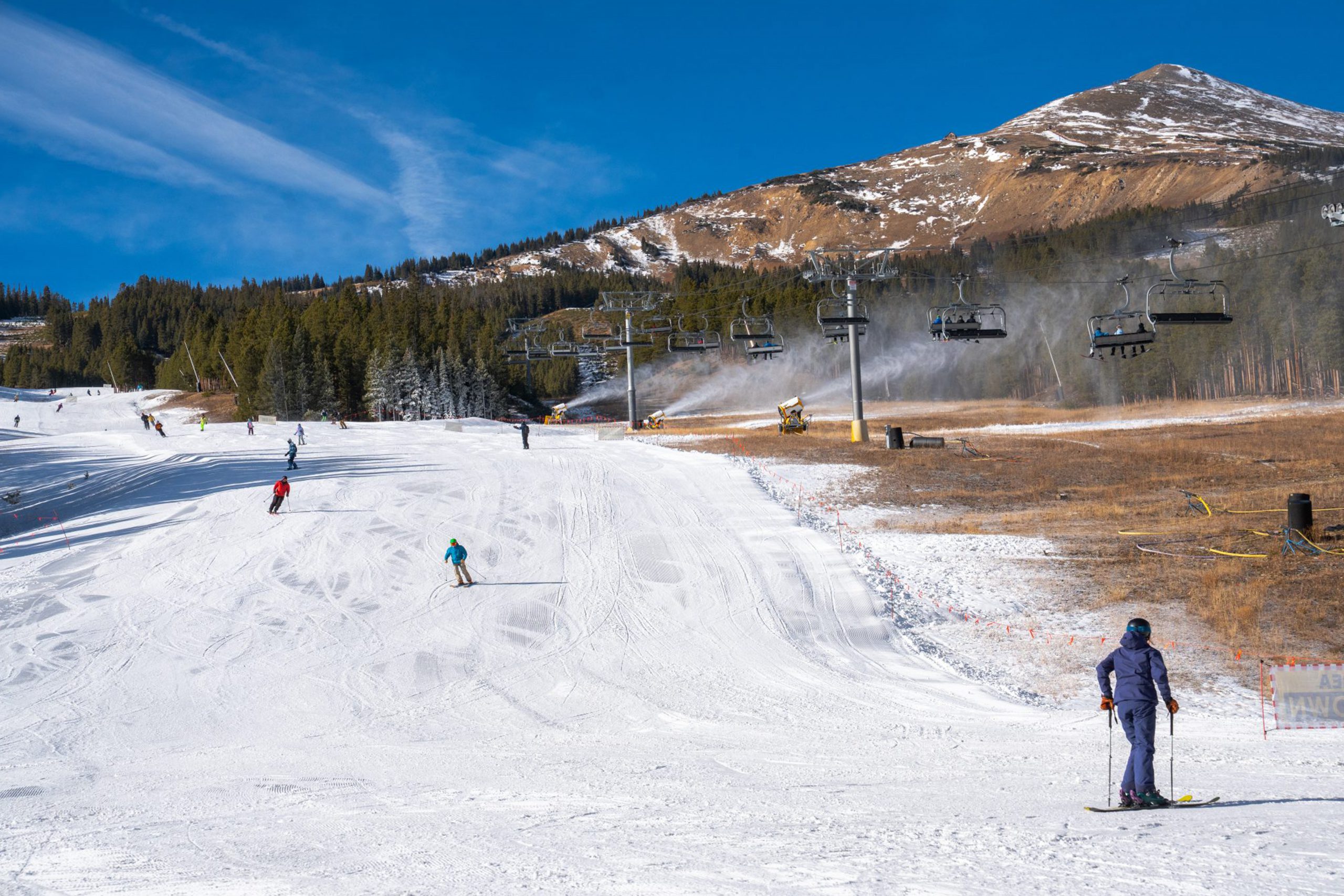
A strangely warm Colorado winter has sent many communities and creatures anxious for the coming year. photo by Katie Young
The lack of snow and precipitation during the 25-26 winter has had numerous impacts on individuals, tourism, and wildlife.
Colorado is well known for its beautiful mountains and ski resort culture. However, this season has seen record high temperatures and significantly less snowfall. It’s not just a late winter anymore, the economy and environment are starting to struggle. According to the Denver Gazette, “Colorado remains at record lows in terms of snowpack at just 56 percent of the norm for the date, with the separation between the norm and this season’s snowpack continuing to increase.” Temperatures in mid February have been in the 60s and even reaching the 70s on rare occasions. Although some people are enjoying the breezy outdoor weather, some are not so lucky.
One of the largest industries in the state is the skiing economy. The mountainous landscape of Colorado offers many opportunities for skiing and snowboarding from the months of November through March. Resorts and even entire towns make their income from the tourism that the snow brings. However, if the snow never comes, there aren’t any safe routes to ski. In fact, resorts have been using snow machines to manufacture snow just to bring in a few extra dollars, although this strategy is still inadequate. According to the Colorado Springs Gazette, “Vail Resorts reported skier visits were down by 20% compared to last year’s ski season, according to a letter sent to investors.” It’s not just larger ski companies either, many people in towns such as Vail and Aspen are employed at these resorts and lodges and rely on the winter season to make a profit. With no snow on which to ride, people just haven’t been making the trip to the mountains and others are suffering because of it.
However, that’s not the only concern being raised by rising temperatures. Wildlife has also been affected. The internal clocks of animals are conflicting with the seasons and making them believe that it is later than it is. This wouldn’t usually be a problem; however, if animals begin shedding their coats or coming out of hibernation too early they could risk facing an unpredictably late freeze. Colorado’s snowiest months are February and March although halfway through the former things aren’t looking promising. Wild animals aren’t the only ones who have been emerging for their spring season early. Experts from the Denver Post say that “the weather is pulling the pollinators out of their dormancy” and bees and other insects are starting to spread pollen once more. This could mean an early wildflower season and many colorful flowers dotted across the state.
Trees have also begun to bloom buds far earlier than they should. Any Coloradan knows the feeling of waking up in April to find that the trees have grown buds and that the long winter is over. However, starting in February, the trees are already beginning to sprout. This puts them at risk of losing more branches from the weight of an untimely snowfall. Tree loss across the state is going to be a serious concern if things keep up at the rate that they’re currently going. It’s happened before and it might happen again.
The lack of snow also puts the state in dangerously high drought levels. Denver water reveals that snowfall makes up 80% of the state’s fresh water. Without this water, lands are left dry and vulnerable to wildfires as we progress into what experts are fearing may be a dry spring and an even drier summer. The state has had several years of drought and bad wildfires, but this year is projected to be especially bad due to the lack of snow and higher temperatures this time of year. The mild winters for the past few years have been primarily attributed to climate change but some people still maintain that it is simply all bad luck.
Regardless of individual beliefs about why this winter is the way it is, it can be agreed upon that the warm weather has impacted everyone. Outdoor sports like tennis and pickleball are thriving; however, skiing and snowboarding industries are in serious crisis. Animals, insects, and trees are also reaping the consequences and all communities can hope for is that if it does freeze over, it doesn’t come too late in the season. Although the weather around the globe has been out of whack for many years now, this Colorado winter is one of the worst in the state’s history and many people are hoping that it just doesn’t get any worse than it already is.